Categories
Author

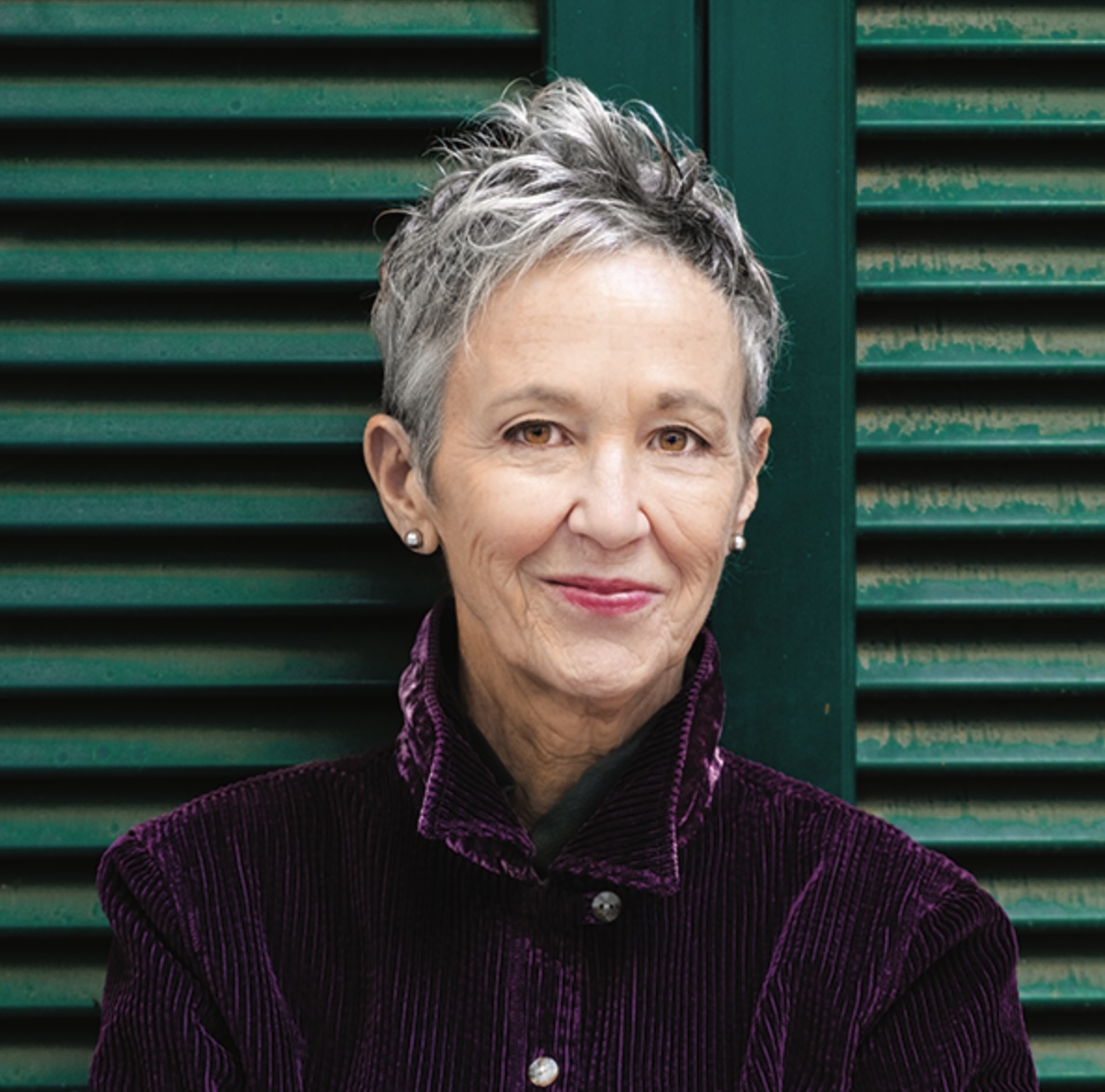
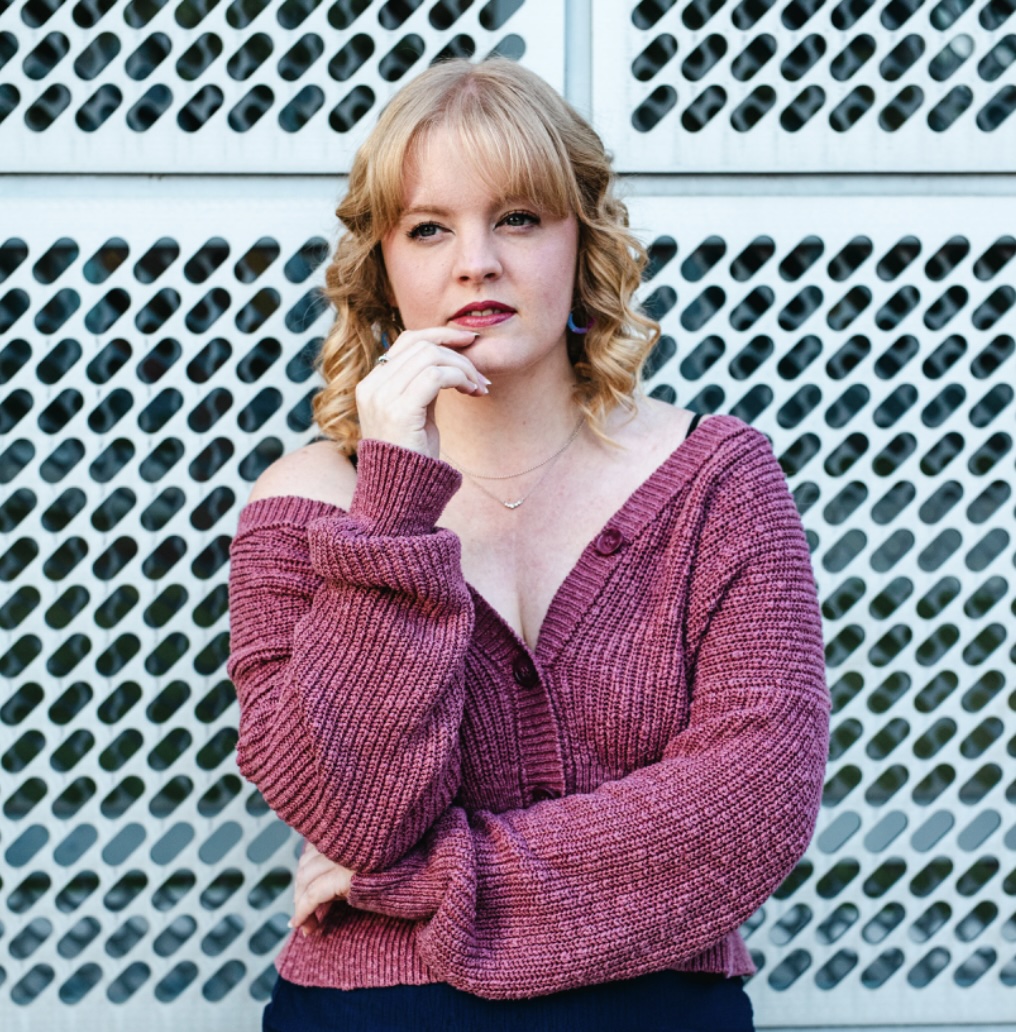
Acacia Coates

What’s your genre?
Journalism and fiction

Are you published?
Self published

What inspired you to become a writer?
I’ve been writing since I was four years old. I believe that stories have power to connect people and to shape history; that fiction reveals truths about human nature in ways other art forms can’t. So many books have influenced me over the years. There hasn’t been a single book I’ve read that hasn’t altered how I think or who I am in some small way. To write is to rub up against what makes us human and to display it for the world to see. That’s what inspires me to write; a fundamental desire to show the creativity of humanity and a belief that we are more than the organic material that we are made of.

What author do you admire and how have they inspired your writing?
I deeply admire and respect Louisa May Alcott. She was able to weave truth and beauty into her narratives seamlessly. Her stories have substance without being “preachy” and they have value because they inherently give weight to the actions of the characters. Her novels are fun and engaging without being “fluffy” and lacking in depth. Her ability to communicate the human life across generations and through time is something I aspire to.

Name three of your favorite books and their authors
The Lord of the Rings by J. R. R. Tolkien
All the Light We Cannot See by Anthony Doerr
Little Women by Louisa May Alcott.

What’s one thing readers should know about you?
My love for telling stories through art doesn’t just extend to writing; I love music and I think it grips people’s spirits. I’ve played classical piano since 2012 and some of my favorite composers are Debussy, Bach and Chopin. I think the sweeping lyrical melodies of Debussy and Chopin’s intricate polyrhythmic style create stunning tension in their respective pieces. Like writing, music inspires people, touching parts of their souls that are never stirred up without the influence of the arts.

What’s one piece of advice you would give to a budding writer?
Don’t let perfectionism paralyze you from writing. Mess up again and again and again, fighting for a piece of art that exists, not a product that’s perfect. Writing is about moving people – let that be your aim. Communicate who you are when you write, not what you think other people want to hear.

Author Bio
Acacia is a student at Iowa State University but with a deep love for writing and music. She’s completed several projects throughout the course of her studies, including podcast creation and social media production. She hopes to one day have a fulfilling career working for a company she can be passionate about.

Categories
Author

Karen Bermann

What’s your genre?
Hybrid of text and image; memoir

Are you published?
Traditional publisher

What inspired you to become a writer?
I have been writing and drawing for as long as I can remember. No inspiration, rather a natural internal force. I don’t really call myself a writer, my work, till recently, was as professor of architecture, and writing just flowed alongside as it always has, sometimes intersecting with architecture, sometimes not. Same with drawing.

What author do you admire and how have they inspired your writing?
Grace Paley, great New York writer and activist, who observed and reported on everyday life in the most comical, heartbreaking, and truthful way. She’s also a poet but her most beloved books are short stories: The Little Disturbances of Man and Enormous Changes at the Last Minute.

Name three of your favorite books and their authors
In addition to Grace Paley, mentioned above:
Lincoln in the Bardo by George Saunders. I love this book so much I could list it three times, but also,
The Good Soldier by Ford Madox Ford
Detransition, Baby by Torrey Peters

What’s one thing readers should know about you?
The first day of kindergarten I did not know what “a line” was when the teacher asked us to “form a line” at the end of the day. I observed the others and followed suit at the end of the line, or so I thought, till it was pointed out to me that “a line” involved everyone facing in the same direction. I was facing the wrong way. This is the story of my life.

What one piece of advice would you give to a budding writer?
Try different methods and instruments till you feel what permits flow. I write in a notebook, and I need giant long pages, good spacing between lines, and a pen that’s not scratchy. When I get going I shift over to the computer for speed. Grace Paley left scraps of paper around the house that she collected in a shoebox. Kerouac needed the rhythm of the typewriter. This stuff matters.
Also, editing is writing. As in drawing, the eraser is your friend. Deletion is an art.

Author Bio
Karen Bermann is professor emerita of architecture at Iowa State University and the author of The Art of Being a Stranger. She worked on sweat equity rehabilitation in her native New York and taught first-year design in Ames and fourth-year design in Rome, where she now lives. Click here to visit Karen.

Categories
Author

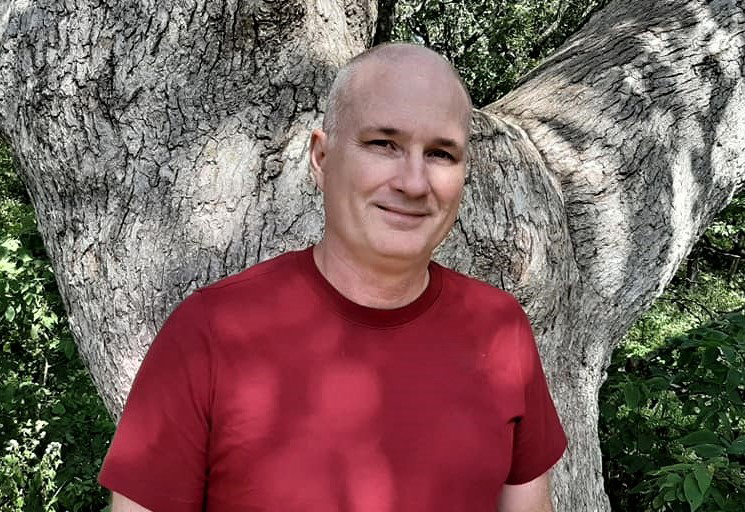
John T. Price

What’s your genre?
Creative Nonfiction

Are you published?
Traditional publisher

What inspired you to become a writer?
Although I didn’t seriously consider becoming a writer until college, I grew up with parents who valued literature and creativity. I don’t believe there was a surface in our house that didn’t have a book on it. As an undergraduate at the University of Iowa, I started out in the sciences but had the fortune of taking writing and literature courses with inspiring teachers. Ultimately, my turn toward writing was the result of those mentors, who believed in my talent—and my story—long before I did.

What author do you admire and how have they inspired your writing?
There are so many, but I think the one that made the most significant impact was Primo Levi, who I read as a sophomore in college in a course called “Quest for Human Destiny.” His book, Survival in Auschwitz, was not only the first serious work of nonfiction I’d ever read but also taught me that literature is more than words on a page. It is also an avenue for personal witness, social justice, and an ethical force that can change people from the inside out. It certainly changed me. Shortly after, I became a humanities major.

Name three of your favorite books and authors
Survival in Auschwitz by Primo Levi
The Immense Journey by Loren Eiseley
The Martian Chronicles by Ray Bradbury

What’s one thing readers should know about you?
I am the sixth generation in my family raised in central/western Iowa. That matters deeply to me. Beyond my family, the most important commitment of my life and writing is to place, to home, specifically the people, prairies, and oaklands of Iowa and the Midwest.

What one piece of advice would you give a budding writer?
Write lovingly (and stubbornly) out of the experiences and passions of your own life, no matter how “ordinary” they may seem. Then, equally important, let that writing lead you into care, connection, and community with others.

Author Bio
John T. Price is the author of five books of creative nonfiction, including Man Killed by Pheasant and Other Kinships (DaCapo, 2008), Daddy Long Legs: The Natural Education of a Father (Shambhala, 2013), All is Leaf: Essays and Transformations (University of Iowa, 2022), and Goethe’s Oak: A Holocaust Story (Ice Cube, 2025). He is also editor of The Tallgrass Prairie Reader (University of Iowa, 2014). A recipient of a prose fellowship from the National Endowment for the Arts, his work has appeared in numerous journals, magazines, and newspapers. He teaches at The University of Nebraska at Omaha, where he directs the English Department’s Creative Nonfiction Writing Program. He lives with his family in the beautiful Loess Hills of western Iowa.

Categories
Author

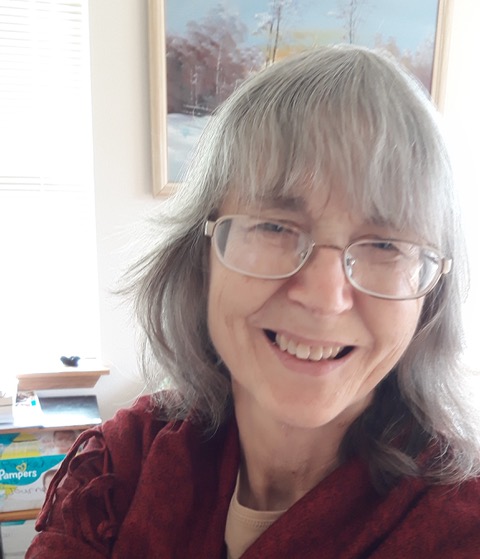
Lois Kennis

What’s your genre?
Women’s Fiction

Are you published?
Traditional publisher

What inspired you to become a writer?
I’ve always loved to read. I inherited this respectable addiction from my mother, a stay-at-home mom in the 1950s who read me all the wonderful books I craved. And I grew up loving the scent of ink and newsprint. My father—a newspaperman who operated the old Guttenberg Linotype and Letterpress equipment—couldn’t drive into a small town on family vacation without stopping to tour the local print shop and chat with its owner. With ink in my veins and a pen in hand, I transitioned organically into a love of writing.

For years as an adult, I wrote feature stories and designed ads to promote small, independent women’s businesses. The work was satisfying, combining words and pictures to help entrepreneurs share their encouraging stories. Then, at age fifty, after domestic upheaval that led me to a series of women’s shelters, I determined to finish the college education I’d begun almost thirty years prior. This time around, I took courses in the field I wanted to study, rather than settle on what seemed pragmatic. In creative writing, I immediately felt at home and soon admitted I wanted to write realistic fiction with heart and hope.

My first novel began while I inhabited a quaint cottage with a screen porch that overlooked the bank of Bear Creek where otters, blue herons, and eagles fished and cavorted. The breathtaking natural beauty in my back yard called me to write as an outpouring of gratitude to God for giving me a second chance in life. I write to stir the hearts of seekers and fortify the souls of believers.

What author do you admire and how have they inspired you?
I love the honest, raw beauty found in the stand-alone novels of Midwestern author William Kent Krueger. His characters and settings are detailed and vivid but not overdone. He captures the quirky, understated mannerisms of people and the magnificence of the natural settings.

Krueger’s novel, “Ordinary Grace,” is a great example of realistic writing that invites the reader into the story, raising questions that don’t have pat answers, challenging the reader to think and grow. The ambiguity of the characters resonates with readers who want to experience much more than just an interesting story.

Stories like “Ordinary Grace” bring tears and laughter, as well as a satisfying sense of hope in the midst of despair.

Name three of your favorite books and their authors.
Wilderness Wife, a novel by Delores Topliff
The Lemonade Year, a novel by Amy Willoughby-Burle
Maranatha Road, a novel by Heather Bell Adams

What’s one thing readers should know about you?
I don’t have it all together, and neither do the characters in my books. Most are broken in some way, whether by their own mistakes, or somebody else’s. But they’re strong, too, and somehow, these broken yet lovable people find ways to rise above their situations and learn from their struggles. They want more out of life. More purpose. More meaning. Laughter, loss, heartache, and redemption are part of their journey, and their healing. I write to stir hearts with a gleam of hope.

What one piece of advice would you give to a budding writer?
Write with spirit and emotion. Readers want to laugh, cry, and feel a sense of marvel. A plot line is a skeleton which you, the writer, can flesh out with your creativity, your own unique contribution to the world. Have fun with words, allow your subjects and your sentences to explore new places you’ve never been. Read what you’ve written out loud to yourself. You’ll be surprised how meaning seems different to the ears than to the eyes. Reading aloud will give you the insight to edit and revise.

Author Bio
After living all over the USA, Lois Kennis loves the unpredictable seasons of Central Iowa, where she lives close to her four children and seven grandchildren. Born and raised in small town Minnesota, her higher education spans forty-plus years, including Concordia College and Rochester Community and Technical College. Finally, at age sixty, she earned a BA in Multi-Disciplinary Studies from University of Minnesota, which included an inspiring array of creative writing classes. Lois enjoys passing along what she’s learned about writing by offering journaling workshops in which she encourages others to record their thoughts, find their voice, and perhaps even share their stories. Her author website is: https://loiskennis.net/

Categories
Author

J. Susanne Wilson

What’s your genre?
Historical Fiction

Are you published?
Self published

What inspire you to become a writer?
I’ve written since I was little. I still have one of my early stories, a short tale of an ant family who learn a valuable lesson: stay away from humans! But I started writing seriously–taking classes, reading books on craft, joining critique groups–when I couldn’t find the book I wanted to read. It was 2007 and I wanted a Robin Hood retelling, written for adults and without a focus on war. I couldn’t find one I liked, so I decided to write it myself. I will probably never complete that book, but that was the inspiration for me to seriously write with the goal of publishing.

What author do you admire and how have they inspired your writing?
I can’t get enough of Jane Austen. Her simple, elegant, witty style resonates with me.

Name three of your favorite books and their authors.
It depends on what day you ask!

What’s one thing readers should know about you?
I’ve worked on several archaeological digs. From a Roman cemetery in the Netherlands to multiple sites across Iowa and a Pueblo site in Arizona, I’ve worked to uncover lots of amazing objects!

What one piece of advice would you give a budding writer?
Your first draft is for your eyes only. Understanding this will give you the freedom to write, write, write. Don’t worry about mistakes, grammar, or anything else. Just get the words on the page and you can mold them into a story later.

Author Bio
J. Susanne Wilson is a historical fiction writer focusing on myth retellings set in Bronze Age Greece. She earned her B.A. in Ancient Civilizations from the University of Iowa with a concentration on Greek and Roman art, religion, history, and languages. Her debut novel, The Death and Life of Iphigenia, was short-listed for the 2024 Novel London Literary Prize and was published in 2025.

Categories
Author

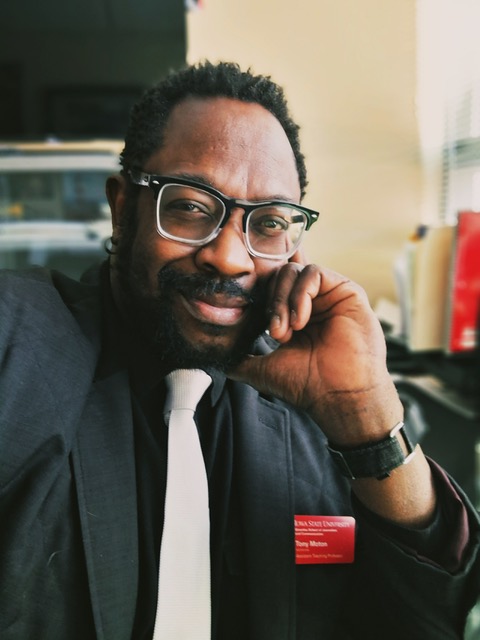
Tony Moton

What’s your genre?
Fiction

Are you published?
Self published

What inspired you to become a writer?
My grandmother and aunt gave me a typewriter for my 8th grade graduation. The rest is the proverbial history.

What author do you admire and how have they inspired your writing?
Gay Talese. His 2006 book A Writer’s Life helped crystallize my belief that writing is a vocation to be cherished. At their core, writers and journalists are educators who just happen to be wordsmiths. I find none more enthralling that Mr. Talese, who can weave a tale finer than his custom-made suits.

Name three of your favorite books and their authors
A Writer’s Life by Gay Talese
Makes Me Wanna Holler: A Young Black Man in America by Nathan McCall
Tracy Flick Can’t Win by Tom Perrotta

What’s one thing readers should know about you?
I joined my high school newspaper the first week of my freshman year and they assigned me varsity football. That event—and my Apollo GT electric typewriter—changed my life forever.

What one piece of advice would you give to a budding writer?
Write when you want to. Write when you have to. Write when you need to. Just write.

Author Bio
Tony Moton is an assistant professor of sports media, journalism and broadcasting in his second year at Iowa State University. An award-winning journalist and screenwriter, the native of Chicago holds master’s degrees in both fields from the University of Nebraska-Lincoln and UCLA, respectively. He has worked as a sportswriter, entertainment columnist, magazine writer and investigative reporter across the country, including his hometown, Los Angeles, Minneapolis, Omaha, Kansas City, Des Moines, Las Vegas and the Quad Cities. To learn more about Tony, click here.

Categories
Author

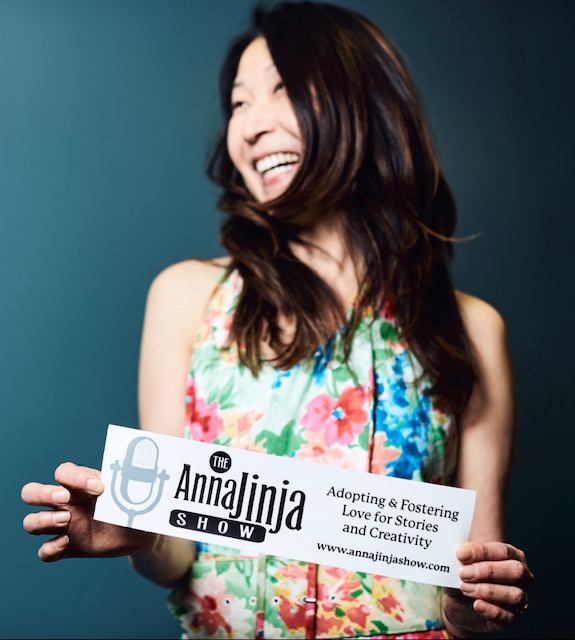
Anna Jinja

Are you published?
indie press publisher

What inspired you to become a writer?
I’ve always been fascinated by the power of stories to connect us—to each other, to ourselves, and to the world around us. Growing up, I felt like stories were a window into lives and experiences that were different from my own, and they helped me make sense of the complexities of being human. As an adoptee, storytelling became an especially important way for me to explore identity, belonging, and the intersections of different cultures.

Starting The Anna Jinja Show felt like a natural extension of that. The show is about bringing people together through creativity, vulnerability, and shared experiences. Writing has always been my way of reflecting and making meaning, so incorporating that into the show—whether through scripts, interviews, or creative prompts—allows me to bring these values to life.

More than anything, I hope my writing and the show inspire others to tell their own stories, to embrace the messy and beautiful parts of their lives, and to connect in ways that feel genuine and transformative.

What author do you admire and how have they inspired your writing?
I deeply admire Madeleine L’Engle. Her ability to blend profound philosophical and spiritual questions with richly imaginative storytelling has always resonated with me. In works like A Wrinkle in Time, she explores the vastness of the universe and the intricacies of human relationships, all while emphasizing the power of love, curiosity, and courage.

Her work inspires me to embrace complexity in my writing, to lean into the questions that don’t have easy answers, and to believe in the transformative power of creativity. Like L’Engle, I want my writing to invite readers to look beyond the surface, to explore the connections between the seen and unseen, and to find beauty in both the light and the dark.

Name three of your favorite books and their authors
A Wrinkle in Time by Madeleine L’Engle
Crime and Punishment by Fyodor Dostoevsky
The Chosen by Chaim Potok

What’s one thing readers should know about you?
I believe I have a good sense of humor, and it’s one of the most important tools we have to navigate life’s ups and downs. Humor breaks the ice, eases tension, and helps us see the light even in the most challenging situations. While writing Adopting Grace, I made sure to weave bits of humor into the story. Though I explore meaningful and often complex topics, humor keeps Grace’s journey relatable and human. It ties everything together, reminding us that joy and laughter are just as essential.

What one piece of advice would you give a budding writer?
Ignore anyone who doesn’t support your creative journey. Early in my writing journey, someone told me that writing was a self-indulgent waste of time if it didn’t generate income—and that I wasn’t good enough for it to make a difference anyway. Those words stung, but they taught me something valuable: the importance of believing in yourself, even when others don’t.

Writing isn’t just about making money; it’s about expression, exploration, and growth. The stories you tell have value.

Author bio
Anna Jinja Mather was adopted from Seoul, Korea, and grew up in Iowa. Her heart is filled with love for people and their stories. By sharing her adoption story and all that she is learning to help her navigate through personal and professional challenges, she hopes that this will lead us to believe, accept, and value the inherent worthiness of all people. She has dedicated her life to a number of nonprofit organizations and causes as a volunteer or employee, which has led to a myriad of unexpected opportunities and adventures – including stepping into the role of a radio producer and host at KHOI 89.1 FM. Anna lives happily with her husband, Pete, and their dog, Floyd, in the little blue house of happiness. Adopting Grace is her debut novel.

Categories
Author

Kelsey Bigelow

What is your genre?
Poetry

Are you published?
Self published

What inspired you to become a writer?
Writing started as a necessity. It was my coping tool through the hardest experiences of my life. It was the only way I had to express myself and to understand my own thoughts and feelings. Poetry became as crucial to me as any other basic need.

By my college years, I began really honing the craft through creative writing classes and saw the impact my poetry was having on my classmates. After that, poetry became about more than myself. It became about helping others see that we’re not as alone as we may feel. It became about showing each other that we’re all going through something, and even if it isn’t the same hard things, we can at least understand each other a little better by talking about it.

Becoming a professional poet was inspired by other poets I admire and became friends with who were doing this full time too. I always knew I was meant to be doing something more impactful than occasionally sharing my work at a local open mic, slam, or workshop. When I saw others doing this as their career, I knew I had to make it happen. This was what I was meant to be doing. And here we are!

What author do you admire and how have they inspired your writing?
As a “hybrid poet” (a term I’m coining), there are four specific poets who have inspired my writing — two “page” poets and two spoken word poets. Somehow, they all rhyme with each other, which is funny considering I’m not much of a rhymer: Jamaal May, Ross Gay, Sarah Kay, and Phil Kaye. They each inspired my love for specificity, formatting, storytelling, and voice. I believe they’re each masters at what they do.

Name three of your favorite books and their authors
If I had to pick only three of my favorite books, I would have to choose:
How to Be Alone: When You Want to and Even When You Don’t by Lane Moore
Hum by Jamaal May
Briar Rose by Jane Yolen

What’s one thing readers should know about you?
I don’t shy away from the uncomfortable conversations, because I believe we grow in empathy by talking about the hard stuff. Therefore, my writing will delve into topics like mental health, grief, eating disorders, relationships of all kinds, etc. It’s going to use a raw lens because I’d rather us be human together than to stifle what’s really happening.

What one piece of advice would you give to a budding writer?
No one is going to take you seriously unless you take you seriously. So you must always first believe in yourself, write because you want to write, and stay true to who you are. Chances are, there will be moments where you’re the only one who thinks you can do this. Keep going in those times, because you’re right. The support from others will come and go, but you will always be there for you. You’ve got this!

Author bio
Kelsey Bigelow is a poet who spends her time sharing this therapeutic tool with audiences of all ages. She is the author of four poetry projects, including her latest book Far From Broken. Her work is published with several presses and journals. Kelsey is a 2024 Pushcart Prize nominee, 2023 Button Poetry Video Contest Finalist, and 2023 Central Avenue Poetry Prize finalist. As a performer, Kelsey has worked with organizations like The Mayo Clinic, NAMI, Planned Parenthood, and more. Videos of her work are on Button Poetry, Write About Now and elsewhere. She’s the founder of the Des Moines Poetry Workshop, chair for the Iowa Poetry Association Poetry Slam, director for BlackBerry Peach National Poetry Slam, and more.

Categories
Author

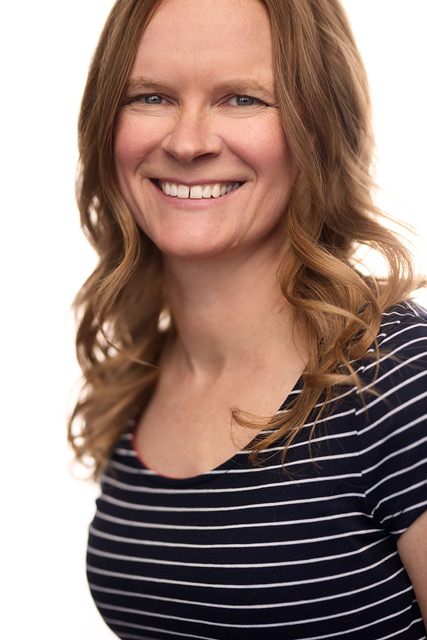
Denise Williams

What’s your genre
Romance

Are you published?
Traditional publisher

What inspired you to become a writer?
I’ve always loved to tell stories and write—that included short stories in middle and high school and truly awful poetry in the late 1990’s but then I started college and graduate school and my writing took a turn for the academic which was wonderful but a far cry from romance. In 2012, I moved to Des Moines and began commuting to Ames every day which led me to audiobooks and I quickly found my favorites in romance. More than anything, falling in love with those books and then subsequently graduating with my PhD and becoming a new mom, led me back to writing. Like so many have, I found myself buried in “momming” and work and I wanted something to refill my cup. I turned back to writing fiction and what I thought would be another short story turned into my first novel, How to Fail at Flirting. Ten books later, writing still fills my cup and I’m still kept company on I35 by audiobooks, only now, I have the option to hear my own words read back to me sometimes. My tenth book released in March—it still feels surreal most of the time.

What author do you admire and how have they inspired your writing?
Kennedy Ryan is one of the best writers publishing today. She writes stories that are as emotionally evocative as they are a thrill ride. Her characters are flawed and beautifully real and her stories showcase the range of human experiences from sweet first kisses to digging one’s way out of trauma. A former journalist, her research is impeccable and her prose sparkles. I met Kennedy when I was a new author and I still remember how she hugged me and cheered me on and what that meant to me. She’s a genuine person who has had tremendous success and still reached out to lift others. She’s a philanthropist and entrepreneur and, among romance writers, there’s no one who garners more kudos from colleagues. She inspires me to be a better writer.

Name three of your favorite books and their authors
The Kingmaker by Kennedy Ryan. A romantic thriller set against the backdrop of political upheaval.
Juliet by Anne Fortier. A modern quest connects to the famous star-crossed lovers.
The Sudden Appearance of Hope by Claire North. A speculative fiction thriller that explores the nature identity/M.

What’s one thing readers should know about you?
My tagline as an author is “sometimes love is funny.” Readers should know I do not shy away from real-life issues facing so many of us—self-doubt, trauma, heartbreak, loss—and that none of those things preclude us or the characters from having a sweeping, sexy, funny love story. In most of my books, prepare to swoon, fan yourself, and tear up a little. Those are the books I love to read and that’s what I strive to write.

What one piece of advice would you give to a budding writer?
My best advice to new and established authors is a reminder that the only thing a first draft needs to be is written. It’s so easy to get hung up on making something perfect and it’s so easy to stop when we realize our first draft isn’t perfect (using we here because this is true for pretty much everyone). So, keep going. Keep writing. Give up on perfect.

Author bio
Denise Williams wrote her first book in the 2nd grade. I Hate You and its sequel, I Still Hate You, featured a tough, funny heroine, a quirky hero, witty banter, and a dragon. Minus the dragons, these are still the books she likes to write. After penning those early works, she finished second grade and eventually earned a PhD. Her work has been featured in The Washington Post, Audiofile Magazine, Book Reporter, the Today Show, Good Morning America, Oprah Magazine, and her mom’s list of top topics of conversation with strangers. Her books have been listed as an Indie Next pick, Library Reads pick, and received starred reviews from Publishers Weekly and Library Journal. After growing up a military brat around the world, she calls Iowa home. Click here to visit Denise.

Categories
Author

Pat Underwood

What’s your genre?
Poetry

Are you published?
Traditional publisher

What inspired you to become a writer?
My cousin, a gifted English teacher and writer, gave me one of his collections of free verse years ago that at first I didn’t understand. After rereading it several times and soaking in the meaning, I learned how stunning poetry can be. He inspired me.

What author do you admire and how have they inspired your writing?
I especially like Galway Kinnell’s excellent work. He had so much to teach us about living life to its fullest.

Name three of your favorite books and their authors
Thirst by Mary Oliver
Everything’s A Verb by Deb Marquart
Dubious Angels by Keith Ratzlaff

What’s one thing readers should know about you?
It’s important to me to share poetry, whether it’s something written by yourself or someone else. Support is important. I look forward to meeting in groups both to critique each other’s work and to educate.

What one piece of advice would you give to a budding writer?
Trust in yourself and the value of what you have to say. Know that you are a beautiful person with words that can reach others in meaningful ways.

Author Bio
Pat Underwood married her high school sweetheart, and they raised two sons on a country hillside north of Colfax, Iowa where the wildlife inspires her writing. She is the author of three poetry collections and received a 2001 Pushcart Prize Nomination. One of Pat’s favorite honors is being a contributor to Voices on the Landscape; Contemporary Iowa Poets edited by Michael Carey.